Top Nashville Locksmiths Service Team
Local locksmith team
Aug 21, 2026 12 min read
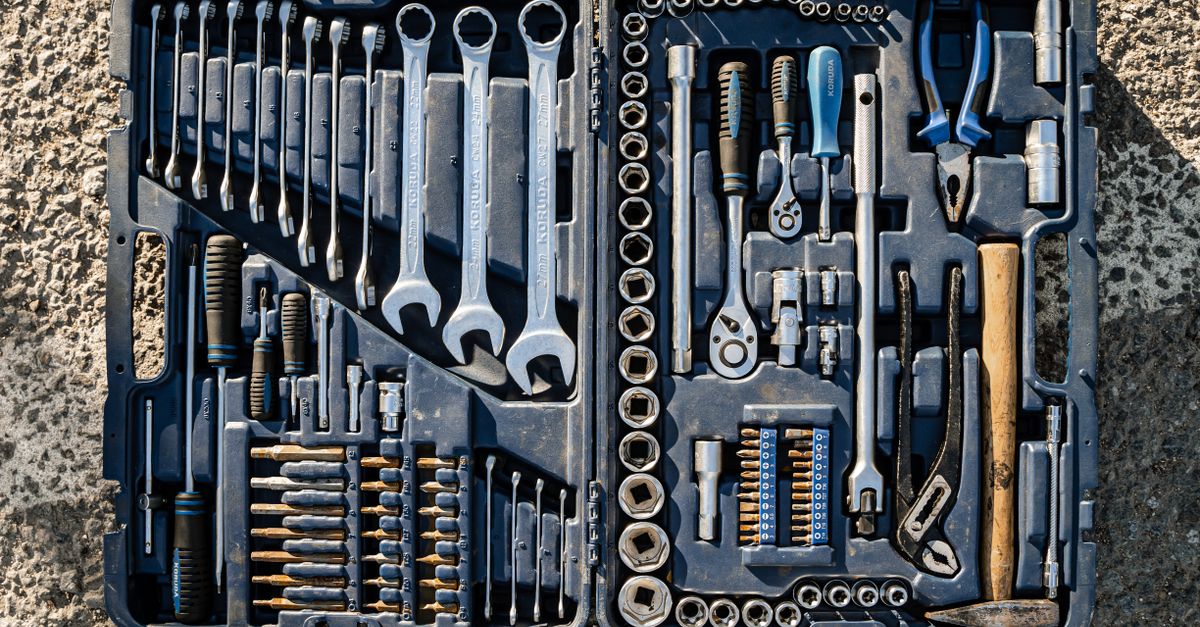
When a locksmith pulls up to a Nashville driveway at 2 a.m. — whether you're locked out of your home off Nolensville Pike or standing beside your car in a Brentwood parking lot — the tools they unload from that van determine everything: how quickly you get back inside, whether your lock survives the process, and whether the job is done right the first time. Most homeowners and drivers have no idea what's in that bag, and that mystery can feel unsettling when you're stressed and vulnerable. This article pulls back the curtain on the actual equipment a skilled mobile locksmith carries, why each piece matters, and what it means for you as the person waiting at the door.
From precision hand tools to computerized key machines, the modern locksmith's kit is far more sophisticated than a set of wire picks from a TV crime drama. Understanding the basics helps you have a more confident conversation with any technician — including ours. Top Nashville Locksmiths runs 24/7 mobile service across the Nashville area, and every call our team answers starts with the same well-stocked van and the same commitment to doing the job without unnecessary damage to your property.
## What Tools Do Locksmiths Use? The Core Kit Explained
A professional locksmith arrives with three broad categories of tools: entry and manipulation tools, measurement and diagnostic tools, and cutting or programming equipment. On a typical residential call involving a door knob lock or a deadbolt, you'll likely see a tension wrench set, a selection of picks in varying profiles, and a plug spinner — a small device that rotates the lock cylinder back to the neutral position without having to restart the picking process if the tension overshoots. Plug spinners matter because they protect the internal components of your lock from being forced backward through a full rotation, which can shear pins or damage the cam. Good technicians use them routinely; it's one of those small details that separates a careful professional from someone who is just forcing their way through. Also standard is a key extractor — a hooked or spiral tool inserted when a key snaps off inside a cylinder, allowing the broken piece to be gripped and withdrawn without drilling.
For mortise lock work specifically, the kit expands. A mortise lock is the rectangular, case-style lock body that sits fully inside a pocket cut into the edge of the door — common in older Nashville homes, commercial storefronts, and multi-family buildings throughout neighborhoods like East Nashville and Germantown. Because the lock case is recessed, a technician needs precise calipers or a dedicated backset gauge to answer a question homeowners often ask when they want to replace hardware: how do you measure a backset on a mortise lock? The backset is the distance from the edge of the door to the center of the keyhole, and getting it wrong by even a few millimeters means the new lock case won't fit correctly. Skilled locksmiths measure before ordering or cutting anything, saving you a second service visit.
## Mortise Lock Service and What the Emergency Locksmith Carries for It
Mortise lock service is one of the most detail-intensive jobs a locksmith performs, and it's where specialty tools really earn their place. Beyond calipers, a mortise job typically requires a case extractor — a hooked rod that slides into the existing pocket to help withdraw the lock body without cracking the door stile — along with a set of mortise cylinder wrenches that grip the threaded collar holding the cylinder in the case. Standard adjustable wrenches can slip and scar a brass or antique finish that's irreplaceable on a Victorian-era door in historic Edgefield. Having the correct tool isn't just about efficiency; it's about preserving property that matters to you.
When our emergency locksmith team responds to an after-hours call involving a mortise lock — a scenario that happens regularly in Nashville's older commercial corridors and residential districts — the van also carries a range of replacement mortise cylinders and cases in common sizes so that if rekeying isn't sufficient and a full replacement is needed, we can often complete the job in a single visit. The final price on any call depends on factors like the lock type, the parts required, travel distance, and time of day, and we confirm the exact up-front figure with you before any work begins. If you need help right now, call (704) 850-6756 — we answer 24/7.
## Key Machines, Transponder Programmers, and the Door Knob Lock Rekeying Kit
Key cutting is one of the most visible parts of what locksmiths do, and modern key machines are a long way from the hand-crank duplicators you might remember from a hardware store. A mobile locksmith's van typically carries at least one high-precision code-cutting machine — a unit that takes a bitting code (a numeric sequence assigned to a specific key blank and cut depth combination) and mills a key from raw stock with tolerances measured in thousandths of an inch. This matters for high-security cylinders, Schlage or Kwikset locks with patented keyways, and any application where a sloppy cut would cause intermittent binding. For automotive work, a separate laser or sidewinder key machine handles the internal-cut keys that most modern vehicles use.
On top of mechanical cutting, the van needs an OBD-II transponder programmer for car key and fob replacement. Transponder chips embedded in key heads communicate with a vehicle's immobilizer; without the correct signal, the engine won't start even if the key turns. Programming these chips to match a specific vehicle identification number requires both the hardware interface and up-to-date software databases — another reason why a fully equipped mobile locksmith is fundamentally different from someone who only cuts keys. For standard door knob lock rekeying — the most common residential request — the kit includes a plug follower, a pinning mat, and a full range of driver and key pins in every common depth, allowing a technician to rekey a lock to any new key combination on-site without replacing the whole hardware set. This is a cleaner, faster option than a full lock change in many situations, though sometimes how to change a lock on a door is the right answer, especially after a break-in or when hardware is worn.
## What Did Locksmiths Usually Do — and What Commercial Locksmith Work Looks Like Today
Historically, locksmiths were craftspeople who made locks and keys entirely by hand — filing blanks, assembling pin stacks, and fitting hardware to individual doors. That heritage is actually relevant today because the diagnostic mindset hasn't changed: a skilled commercial locksmith still has to understand door geometry, frame tolerances, lock mechanics, and security hierarchy before touching anything. Modern commercial jobs layer on access control panels, electric strikes, magnetic locks, and master-key systems that require software configuration alongside traditional hardware skills.
Businesses headquartered or operating in Nashville — from the healthcare and music industry firms along Music Row to the logistics companies near the airport — often run facilities with dozens of doors across multiple security zones. A commercial locksmith call at a property like that might involve rekeying a master-key suite after an employee departure, installing a new electric strike on a server room door, or diagnosing a mortise lock that's failing intermittently on a high-traffic entrance. Each task draws on a different subset of tools: a master-key pin kit for the rekeyable cylinders, an electric strike tester for the access control wiring, and a mortise case wrench set for the failing hardware. The breadth of that toolkit is why a dedicated, experienced commercial locksmith team is worth having on call — and why we keep our vans stocked for exactly these scenarios across the Nashville area, 24 hours a day.
## Smart Locks, Combination Systems, and the Tools for Code-Based Hardware
More Nashville homeowners and small business owners are installing smart deadbolts and keypad locks every year, and that shift means locksmiths now carry configuration tools alongside traditional hardware. When a customer needs to know how to change the code on a door lock, the answer is almost always in the lock's own programming sequence — most keypad deadbolts walk you through it with a combination of button presses described in the manual. A Honeywell keypad lock, for instance, typically requires you to enter the existing master code, press a programming button, and enter the new code twice to confirm. Similarly, how to change the code on a combination lock for a standalone padlock is a manual process that usually involves dialing to specific numbers in sequence while applying tension. Locksmiths may carry manufacturer programming cards and interface cables for more advanced smart-lock models that require a wired or Bluetooth connection to reset the credential database — useful on commercial-grade electronic locks where the factory reset procedure isn't accessible through the keypad alone.
One often-overlooked part of the toolkit is the door and frame alignment gauge. Smart locks, electric strikes, and high-security mortise hardware all require the door to be plumb and the latch to align precisely with the strike plate. A door that has shifted seasonally — extremely common in Nashville given the region's humidity swings — can cause a perfectly good electronic lock to fail or a bolt to bind under load. Technicians use feeler gauges and a straightedge to diagnose alignment issues before blaming the lock hardware, which saves you from replacing components that aren't actually defective. It's a detail-oriented approach to the job that we think every homeowner and business deserves. Reach out any time — our team is available around the clock, and you can call (704) 850-6756 whenever you need us.
## Services Top Nashville Locksmiths Provides Across the Nashville Area
Our mobile team covers a wide range of situations so you have one number to call regardless of the problem. Services we handle include: residential lockout response, commercial lockout response, automotive lockout response, mortise lock installation and repair, mortise lock rekeying, door knob lock rekeying, deadbolt installation, deadbolt rekeying, high-security cylinder upgrades, master-key system design and installation, electric strike installation, magnetic lock installation, access control panel setup, smart lock installation and programming, keypad deadbolt programming, broken key extraction, car key cutting and duplication, transponder key programming, key fob replacement and programming, ignition lock repair, steering column lock service, lock cylinder replacement, door frame and strike plate alignment repair, safe opening and combination changes, padlock removal and replacement, door hardware replacement after forced entry, eviction lockout service for property managers, multi-family rekeying projects, and after-hours emergency locksmith response anywhere in the greater Nashville area. Whatever brought you here, there's a strong chance it's something we've handled on a Nashville street or driveway before.
Frequently asked questions
How much do locksmiths charge per hour for a service call in Nashville?+
There isn't a single flat hourly rate because the final price depends on several factors: the type of lock or vehicle involved, the complexity of the job, the specific parts or key blanks needed, the time of day, and your location relative to our nearest available technician. A simple door knob lock rekey during daytime hours is a very different job from an after-hours mortise lock replacement on a commercial door, and pricing reflects that difference. What we always do — before any work starts — is give you an exact confirmed price so there are no surprises on the invoice. Call (704) 850-6756 and we'll talk through your situation and quote accordingly.
How to change a lock on a door — when should I just call a locksmith instead of doing it myself?+
Swapping a standard deadbolt or door knob lock is a project many handy homeowners can manage with a screwdriver and the replacement hardware's instruction sheet, as long as the new lock matches the existing door bore and backset dimensions. Where things get complicated: mortise lock replacement requires accurate measurement of the pocket depth, backset, and case dimensions — getting any of those wrong means the hardware won't fit or the bolt won't throw properly. Post-break-in frame repairs, high-security cylinder upgrades, and master-key integration are also jobs where a professional technician will save you time, rework, and potential security gaps. When in doubt, a quick call to our team can help you decide whether this is a DIY situation or one where a skilled hand is worth it.
What is a rim lock, and does it come up in residential or commercial locksmith work?+
A rim lock is a surface-mounted lock — meaning it sits on the face of the door rather than being mortised into the door edge. In a residential and commercial context, rim locks are common on older properties and are often seen paired with a traditional nightlatch or deadbolt on period homes. The term also appears in motorcycle and dirt bike contexts, where a rim lock is a metal clamp inside the wheel that prevents the tire from spinning on the rim under hard braking — a completely different application with no overlap with door hardware. If you have a surface-mounted lock on a door that needs servicing, our team handles rim lock installation, repair, and rekeying alongside mortise and cylindrical hardware.
How do you measure a backset on a mortise lock before ordering a replacement?+
The backset on a mortise lock is the horizontal distance from the finished edge of the door (the face of the faceplate, not the raw wood edge) to the centerline of the keyhole or cylinder. To measure it, close the door and use a tape measure or calipers from the door edge to the center of the keyhole — not the edge of the escutcheon plate, which can be misleading. For mortise locks you also need to record the case height and width, the follower hole diameter, and the spindle center-to-center distance between knob and cylinder if it's a full-function unit. Getting all those measurements right before ordering a replacement case is the difference between a one-trip job and an expensive back-order situation. If you're unsure, our technicians measure on-site and source the correct replacement hardware before cutting anything.