Keypad, Fob, and Card Entry: Choosing the Right Access Control System for Your Building
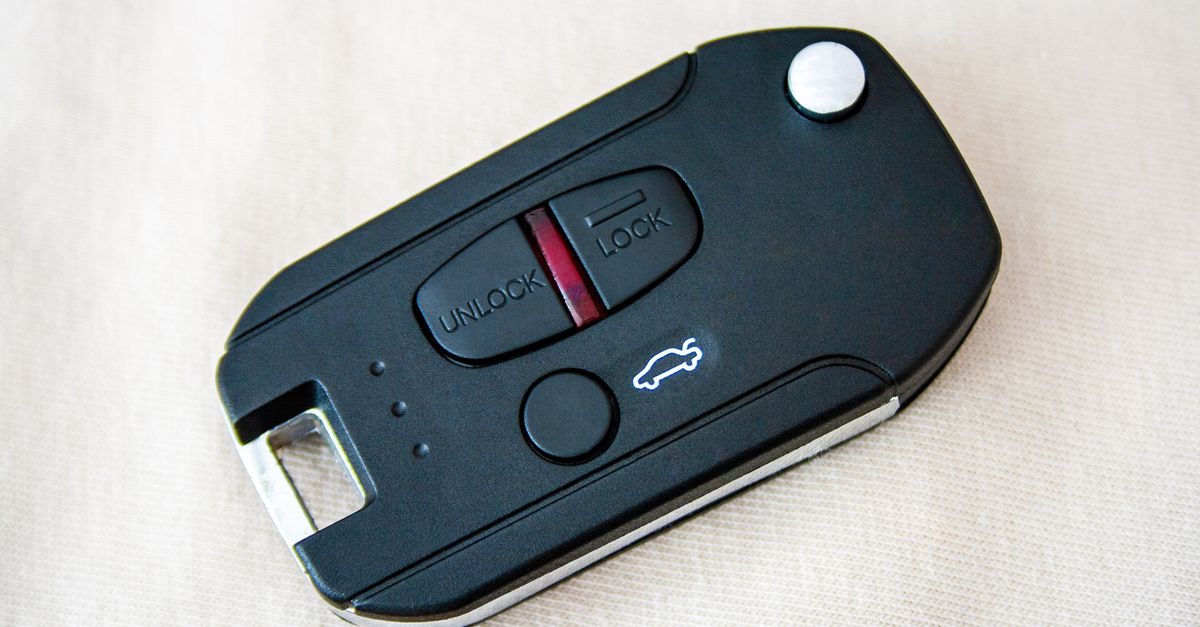
Not every access control system fits every commercial application, and the difference between a system that works and one that creates daily frustration often comes down to matching the technology to the building's actual workflow. Standalone keypad locks are ideal for interior offices, server rooms, or storage areas where a PIN-based audit trail is sufficient. Proximity card and key fob systems — which communicate via RFID or smart card technology — are better suited for main entry doors, parking garages, and multi-tenant lobbies where speed of entry and the ability to instantly deactivate a lost credential matter most. Mobile-credential systems, where an employee's smartphone acts as the key, are gaining traction with Nashville's growing tech and healthcare sectors because they eliminate physical card management entirely.
For most exterior commercial doors, the highest-performing solution combines electronic access control with an access control mortise lock body — a full-cartridge lock mechanism that mounts inside the door itself rather than on its surface. An access control mortise lock provides superior load-bearing strength, integrates a latchbolt and deadbolt in a single unit, and accepts electronic actuators that can be wired to a keypad reader, card reader, or centralized access panel. This is the same hardware format found in hospitals, government buildings, and Class-A office towers across Nashville, and our commercial locksmith technicians install and configure it for smaller commercial clients who want enterprise-grade security without the enterprise-scale complexity.