How Ignition Cylinders Fail — and What a Trained Technician Does About It
The ignition cylinder sits inside the ignition switch housing and is engaged directly by your key. Inside, a series of wafers or pins must align precisely with the key's cut pattern before the cylinder can rotate and trigger the electrical switch that starts the engine. Years of daily use cause metal-on-metal wear that gradually loosens that alignment, leading to symptoms like a key that suddenly feels loose, a cylinder that sticks mid-turn, or one that rotates without engaging the switch at all. In some cases, a broken or bent key jams the wafer stack, making the cylinder appear fully seized when the real culprit is a fragment lodged inside. Our technicians diagnose the root cause before recommending repair or full replacement, because a cylinder that can be repaired should not automatically be replaced, and vice versa.
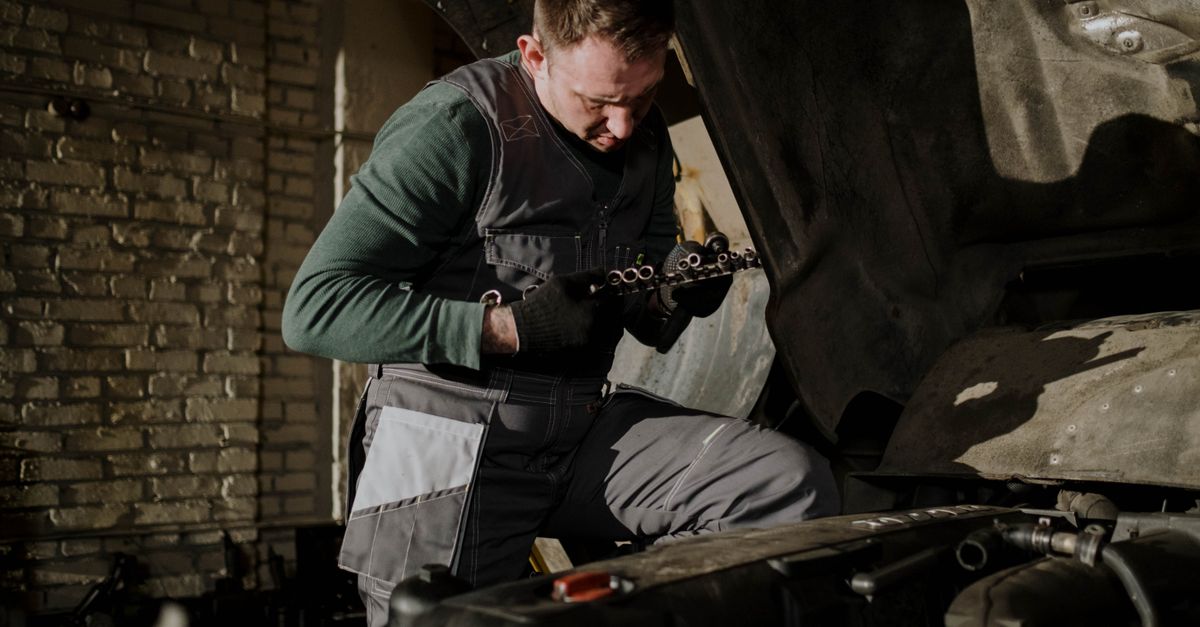
On-site, our mobile technicians carry the diagnostic tools and replacement cylinder stock to address most common ignition problems during a single visit. For vehicles where a new cylinder must be keyed to match your existing ignition key — so you are not left carrying two separate keys — we use professional-grade key cutting and cylinder-coding equipment right at your location. We work carefully to avoid unnecessary disassembly of steering column components, keeping the job as clean and damage-free as the vehicle's design allows.